
For injection-molded ABS, start with flow, impact and heat distortion
ABS Selection · 2026year10month14day
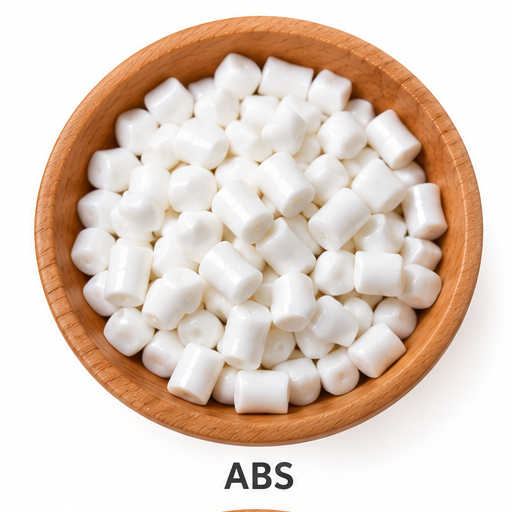
ABS is not a one-grade-fits-all material. Even within ABS, thin-wall injection molding, appliance housings and automotive interiors have different requirements for flow, impact toughness and heat distortion temperature.
When sourcing, first define the processing method and product failure mode. Then compare MFR, notched impact and HDT rather than comparing price alone.
Three parameters to check first
| parameters | What to check when sourcing | Process impact |
|---|---|---|
| MFR | Compare under the same test temperature and load | High flow helps fill thin-wall parts, but excessive flow may reduce toughness |
| Notched Impact | Confirm test temperature, notch and unit | Determines the risk of cracking in housings after drops and at low temperature |
| HDT | Confirm the load conditions; a common condition is 1.82 MPa | Helps assess dimensional stability in high-temperature, load-bearing structural parts |
Use actual data to understand grade differences
In SABIC CYCOLAC product documentation, the typical 23°C notched Izod value for MG47 is 320 J/m, and the HDT is 80°C; the corresponding values for MG94 are 240 J/m and 82°C. Neither can simply be called better: the former favors impact balance, while the latter is better suited to thin-wall applications that need good flow.
If the product has flame-retardant requirements, also include the flame-retardant grade, wall thickness and color system in the sourcing specification. The typical notched Izod value of FR15(U) in the documentation is 213 J/m、HDT 70°C, and it must not be substituted directly with the heat-distortion data of standard ABS.
Work backward from the application
- Thin-wall appliances and office equipment: Prioritize medium- to high-flow grades while setting a minimum impact requirement.
- Large housings: Focus on flow, sink marks, weld-line strength and dimensional stability; do not simply increase MFR.
- Automotive Interiors: Check heat resistance, low-temperature impact, odor/VOC, scratch resistance and color stability.
- Flame-retardant electronic parts: Confirm the UL 94 grade and corresponding minimum wall thickness, and require the supplier to provide compliance documentation for the same grade.
State the requirements clearly in the sourcing inquiry
In the inquiry, specify the ABS type, injection-molding or extrusion process, target MFR test conditions, minimum notched impact, HDT/flame-retardant grade, color, monthly volume and whether COA/TDS are required. This produces more comparable quotations than simply writing “ABS High-Flow.”
Reference Documentation
Parameters reference the CYCOLAC ABS grade table in SABIC's Engineering Thermoplastics Product Brochure: SABIC officialdocumentation. Actual data may vary by batch and color; the manufacturer's latest TDS/COA prevails.
Need help matching an ABS grade?
Send us the product use, process and target parameters; we will compare suitable grades from our current supply.